All You Required to Understand About the VR6 Engine: Facts and Insights
The VR6 engine stands for a significant advancement in vehicle engineering. Its distinct layout merges the characteristics of V6 and inline engines, supplying benefits in power and performance. Introduced by Volkswagen, it has actually developed an online reputation in different preferred designs. However, as the sector shifts in the direction of electrification, the VR6 deals with brand-new challenges. What does the future hold for this legendary engine? Discovering its engineering and efficiency may expose surprising understandings.
The Engineering Behind the VR6 Engine
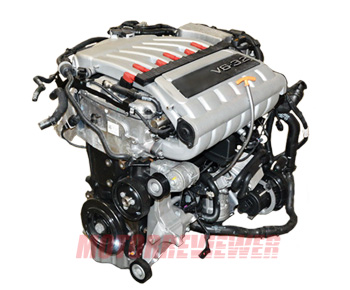
Although the VR6 engine might seem a complicated style, its design principles are rooted in a blend of effectiveness and performance. This one-of-a-kind configuration incorporates the attributes of an inline and a v6 engine, enabling a portable design that suits smaller sized engine bays. The VR6 features a narrow angle in between the cyndrical tube financial institutions, usually around 15 levels, which reduces overall width while preserving a smooth power distribution. Additionally, the engine employs a single cylinder head, streamlining production and upkeep. This style improves thermal performance and minimizes weight, contributing to improved handling and responsiveness. With its balance of power and compactness, the VR6 stays a remarkable accomplishment in auto design, appealing to both performance fanatics and day-to-day chauffeurs alike.
Historic Importance of the VR6
What makes the VR6 engine historically significant in the auto world? Introduced in the early 1990s by Volkswagen, the VR6 redefined the portable engine style by combining the features of an inline and a v6 engine. This ingenious style enabled a shorter engine size, enabling its setup in smaller vehicles without sacrificing power. The VR6 swiftly obtained appeal for its unique audio and smooth performance, coming to be a hallmark of different Volkswagen and Audi designs. Its capacity to supply a balance of power and effectiveness made it a preferable option for lovers and producers alike. Furthermore, the VR6's influence can be seen in the advancement of engine style, as it paved the means for even more small and versatile powertrains in the automotive sector.
Performance and Performance Comparisons
When comparing performance and effectiveness, the VR6 engine stands apart due to its distinct layout, which allows it to supply remarkable power output while keeping good gas economic climate (vr6). The engine's compact setup facilitates a balance in between power and weight, improving handling and responsiveness. Typically, VR6 engines produce a durable torque curve, adding to a lively driving experience. This particular is specifically helpful in city settings where acceleration is essential. Furthermore, advancements in fuel shot and adjusting have enhanced thermal performance, resulting in reduced emissions compared to various other engine layouts. While turbocharged variations might provide greater efficiency, the VR6 manages to provide a rewarding blend of power and effectiveness, making it an enticing selection for both fanatics and day-to-day vehicle drivers alike
Popular Automobiles Featuring the VR6
The VR6 engine has actually gained popularity in a variety of automobiles, showcasing its convenience and efficiency capabilities. Largely connected with Volkswagen and Audi, this engine setup has actually been featured in versions such as the Volkswagen Golf, Jetta, and Passat, where it provides an equilibrium of power and efficiency. The Audi A3 and TT likewise use the VR6, giving a flashy driving experience. In addition, the Volkswagen Touareg and Porsche Cayenne have used More hints this engine to improve their efficiency in the SUV section. Known for its small design, the VR6 enables makers to enhance area while delivering remarkable horse power and torque. This adaptability has made the VR6 a preferred choice among auto try this site enthusiasts and makers alike.
Future of the VR6 Engine in the Automotive Industry
Often Asked Questions
What Is the Common Life Expectancy of a VR6 Engine?
The normal life expectancy of a VR6 engine ranges from 150,000 to 200,000 miles, assuming regular upkeep and treatment. Aspects such as driving practices, ecological conditions, and engine modifications can considerably influence long life.
Exactly how Does the VR6 Engine Noise Compared to Various Other Engines?
The VR6 engine produces a distinctive grumble, identified by its one-of-a-kind shooting order and arrangement. Contrasted to inline or V8 engines, it uses a smoother noise profile, commonly called official website a deep, throaty rumble.
Are There Any Common Issues With the VR6 Engine?
What Type of Oil Is Best for a VR6 Engine?
The finest oil for a VR6 engine is commonly a top notch artificial oil with a viscosity rating of 5W-30. This ensures peak efficiency and protection, especially under varying temperature conditions and driving designs. Regular adjustments are essential.
Can the VR6 Engine Be Switched Into Various Other Autos?
Yes, the VR6 engine can be exchanged right into other vehicles, however compatibility relies on elements like mounting factors, transmission choices, and electrical wiring. Enthusiasts usually carry out these swaps to enhance efficiency in different lorry versions.
